



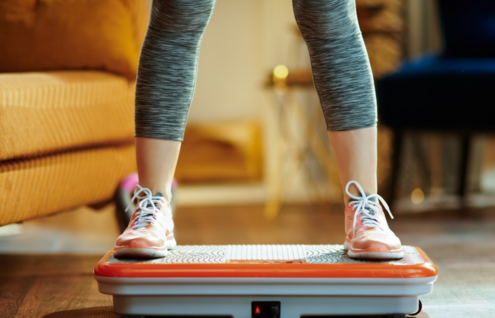
Vibration plates have become increasingly popular in the wellness world, with claims that standing on one for just a few minutes a day can support circulation, reduce swelling, improve lymphatic flow, and even help the body “detox.” But how much of the hype is supported by science—and who might actually benefit from using one?
According to SVMC Physical Therapy’s Noelle De Geus, DPT, the lymphatic system plays an important role in maintaining fluid balance and supporting the immune system. The lymphatic system relies heavily on muscle contractions, body movement, breathing, and other mechanisms to move lymph fluid through the body.
That’s one reason exercise is so important for healthy lymphatic function.
Exercise vs. a Vibration Plate
For healthy individuals without lymphatic impairment, such as lymphedema, regular physical activity is an effective way to encourage lymphatic flow. Walking, strength training, swimming, cycling, and other forms of movement cause muscles to contract and relax, helping move fluid through the lymphatic system.
In fact, exercise may be just as effective—or even more beneficial—than standing on a vibration plate.
“Movement is one of the best things we can do for our lymphatic system,” says De Geus. “Our muscles act as a pump to help move lymphatic fluid, so incorporating regular exercise into your day is important for overall lymphatic health.”
This doesn’t mean vibration plates are necessarily useless. Rather, they should be viewed as a potential complement to movement, not a replacement for it.
A vibration plate, sometimes called a whole-body vibration platform, produces rapid mechanical vibrations that travel through the body while a person stands, sits, or performs exercises on the platform. These vibrations cause small, involuntary muscle contractions. The theory is that these contractions may help stimulate circulation and lymphatic movement.
For someone who enjoys using a vibration plate, it may be a convenient addition to an otherwise active lifestyle. But there is no need to purchase one simply to maintain normal lymphatic flow if you're already getting regular exercise.
What About Lymphedema?
The conversation becomes more nuanced for people living with lymphedema.
Lymphedema occurs when the lymphatic system is unable to adequately transport lymph fluid, resulting in swelling, most commonly in an arm or leg. It can occur for a variety of reasons, including after cancer treatment or lymph-node removal, as well as from congenital or other acquired conditions.
Research into vibration therapy for lymphedema is ongoing, and a clear scientific consensus has not yet been established. Some studies suggest that whole-body vibration may have potential benefits for fluid movement and swelling, while anecdotal reports from patients are also encouraging. However, the evidence is not yet strong enough to consider vibration plates a standard standalone treatment for lymphedema.
For people with lymphedema, the priority should remain the components of treatment that are already well established.
These commonly include:
- Compression: Compression garments or bandaging can help control swelling and support the movement of lymphatic fluid.
- Manual lymphatic drainage: Specialized hands-on techniques may help encourage lymph flow.
- Exercise: Appropriate movement and muscle activity can support lymphatic circulation and overall physical function.
- Elevation: Elevating an affected limb can help manage swelling in certain circumstances.
- Skincare: Taking care of the skin is particularly important because lymphedema can increase the risk of skin infections.
“If someone with lymphedema is already following their recommended treatment plan and wants to experiment with a vibration plate, it may be a reasonable adjunct for some people,” De Geus says. “But it shouldn't take the place of the treatments we know are important for managing lymphedema.”
Anyone with lymphedema should discuss new treatment modalities with their healthcare provider or lymphedema therapist, particularly if swelling is new, worsening, painful, or accompanied by changes in the skin.
More Accessible Than Ever
Another reason vibration plates are appearing more frequently in homes is affordability.
While high-end models can cost hundreds or even thousands of dollars, there are now consumer vibration plates available for roughly $80 to $120. That lower price point makes the technology accessible to people who may be curious about trying it without making a major financial investment.
Still, a lower price doesn't necessarily mean a product is appropriate for everyone. Consumers should look at the manufacturer's specifications, intended use, weight limits, vibration settings, and safety instructions before purchasing or using a device.
It's also important to remember that a vibration plate isn't a shortcut around regular physical activity. For most healthy people, a daily walk, a few strength-training exercises, or simply getting up and moving throughout the day can provide significant benefits without requiring any special equipment.
Who Should Avoid Vibration Plates?
Although vibration plates are marketed as wellness devices, they aren't appropriate for everyone. Certain medical conditions may make whole-body vibration unsafe.
People with the following conditions should not use a vibration plate unless specifically cleared by an appropriate medical professional:
- Pacemakers or other implanted medical devices
- Pregnancy
- Blood clots
- Recent surgery or acute wounds
- Severe cardiac disease
People with the following conditions should consult with their physician before using a vibration plate:
- Epilepsy
- Kidney or bladder stones
- A history of retinal detachment or eye surgery
- Severe osteoporosis
- Hernias
- Severe peripheral neuropathy
This list isn't exhaustive. If you have a medical condition, have recently undergone a procedure, take medications that affect your cardiovascular or neurological system, or simply aren't sure whether vibration therapy is appropriate for you, it's best to ask your healthcare provider before getting started.
A Tool, Not a Miracle Cure
The growing popularity of vibration plates reflects a broader wellness trend: the desire for simple technologies that can provide health benefits with minimal effort. And while vibration may have a role to play in circulation and lymphatic management, it's important to keep expectations realistic.
For healthy people, there's no need to rely on a vibration plate to keep lymph moving. Regular exercise and everyday movement remain foundational.
For people with lymphedema, vibration plates may eventually prove to be a useful addition to treatment, but more research is needed before their role can be clearly defined. The most important step is to continue with an evidence-based treatment plan and use vibration therapy, if appropriate, as a possible supplement rather than a replacement.
Learn more about SVMC Outpatient Rehabilitation services here.