

Taking a break lets you appreciate how alcohol may be negatively impacting your life in a way that you can’t while drinking
Todd Salvesvold, RNFor years, the notion of ‘moderate drinking’ has been widely accepted as a harmless, or even beneficial, practice. While some research points to potential benefits, the majority of evidence identifies significant risks associated with alcohol use even at moderate levels.
Unsafe at any volume
According to Todd Salvesvold, RN, the Bennington Blueprint Program Manager at SVMC, “There’s no getting around it; drinking alcohol carries health risks. The more you drink, the higher your risks. But the thing is, most people don’t have a sense of what a ‘moderate amount’ of alcohol is. You go out with friends, and you keep up. But before you know it, you’re regularly surpassing moderate drinking amounts, and you don’t even realize it.”
If you think you might be drinking more than you should, you’re in luck.
“Never has the culture been more supportive of drinking less or not at all,” says Salvesvold. “In addition to an abundance of mocktails, and non-alcoholic beers, wines, and even champagnes on the market, there are also medications that make drinking less appealing, and even apps to support you as you embark on being alcohol-free. And it’s not all about going sober for life.”
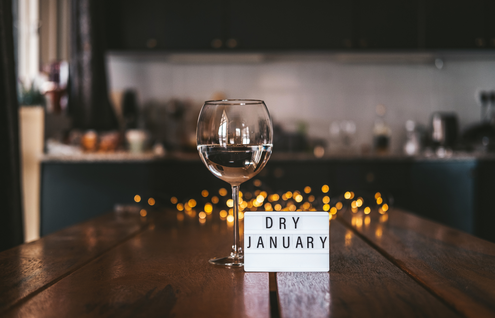
As events like Dry January and Sober October (month-long periods in which people abstain from drinking alcohol) demonstrate, many people choose to abstain from drinking for specific stretches of time.
“Taking a break lets you appreciate how alcohol may be negatively impacting your life in a way that you can’t while drinking,” says Salvesvold.
It also helps you identify patterns related to drinking and provides the opportunity to adjust your habits and your relationship with alcohol.
Salvesvold acknowledges that drinking can be a tough habit to break on your own. “Apps are great for people who want a little support, tips, and motivation to stay alcohol-free.”
Beyond headaches and hangovers
Alcohol has been linked with over 200 conditions and impacts every organ system. Even at moderate levels, alcohol consumption increases your risk for:
- Certain cancers
- Heart disease
- Dementia
- Poor sleep quality
Long-term misuse can lead to:
- Liver disease
- Hypertension
- Renal failure
- Mental health disorders
- Pancreatitis
- Peptic ulcer
Give it up for giving it up
Again, rethinking your drinking doesn't have to mean complete abstinence. Instead, says Salvesvold, “It's about being more aware of how much you’re drinking and what your habits and triggers are. From there, it’s up to you to make decisions about drinking that align with your health goals and lifestyle needs.”
Ready to self-assess?
If you’re curious about what your drinking habits might mean for your future, visit AUDITscreen.org/check-your-drinking to take a quick 10-question self-assessment. The personalized results will reveal your risk level and offer guidance for staying the course, cutting down, or stopping drinking.
If you need assistance with safely quitting alcohol, SVMC offers the First Steps program, in collaboration with Turning Point Recovery Center of Bennington.